

- Published on
AI SaaS Solutions for Logistics: Transforming Supply Chains in 2026
Listen to the full article:
- Authors

- Name
- Jagadish V Gaikwad
Why AI SaaS Is a Game‑Changer for Logistics
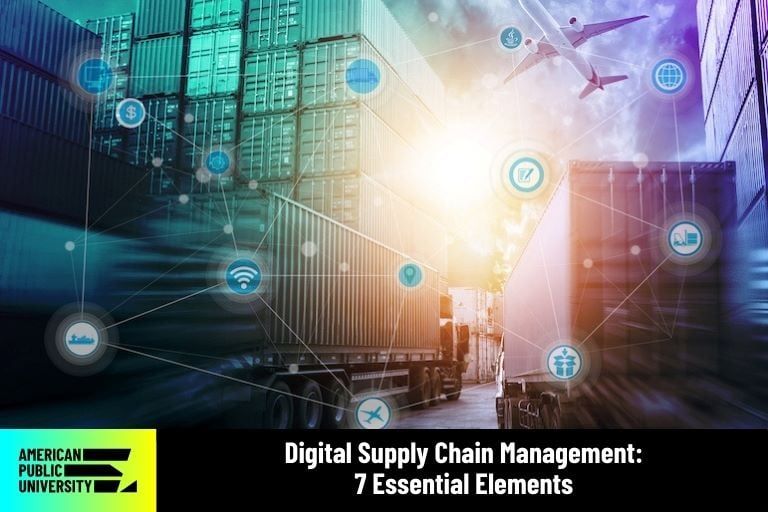
Logistics has always been a high‑stakes juggling act: you’re balancing inventory, carrier capacity, delivery deadlines, and a mountain of paperwork. Throw a pandemic, geopolitical tension, or a sudden spike in e‑commerce demand into the mix, and the whole system can wobble.
Enter AI SaaS solutions for logistics. These cloud‑native platforms pair machine‑learning models with real‑time data streams, delivering insights that were impossible to generate manually. Because they’re SaaS, you get instant upgrades, built‑in scalability, and a subscription model that aligns cost with usage—no massive CAPEX.
The result? Faster route planning, predictive demand forecasting, and a control tower you can access from any device. In short, AI SaaS is turning chaotic supply chains into data‑driven, proactive networks.
Core Benefits You Can Start Measuring Today
| Benefit | How AI SaaS Delivers It | Typical ROI |
|---|---|---|
| Demand Forecasting | Machine‑learning models ingest sales history, market trends, weather data, and social signals to predict SKU demand up to 12 weeks ahead. | 5‑15% reduction in stockouts |
| Dynamic Routing | Real‑time traffic, carrier capacity, and fuel price APIs feed an optimization engine that re‑routes trucks on the fly. | 8‑12% lower transportation costs |
| Inventory Visibility | Cloud dashboards aggregate warehouse sensor data, RFID scans, and ERP feeds into a single, searchable view. | 10‑20% inventory carrying cost drop |
| Exception Management | AI flags anomalies—delayed shipments, temperature excursions, customs holdups—before they become crises. | 30‑40% faster issue resolution |
| Carrier Scorecards | Continuous performance scoring based on on‑time delivery, cost, and sustainability metrics. | Better carrier negotiations, up to 6% cost savings |
These numbers aren’t just theory; they’re backed by case studies from mid‑size shippers who swapped legacy TMS for AI‑first SaaS stacks.
The Architecture Behind AI SaaS Logistics Platforms
If you’re a tech‑savvy operator, you’ll want to peek under the hood. Most AI SaaS solutions follow a modular architecture:
- Data Ingestion Layer – Connectors for ERP, WMS, telematics, IoT sensors, and external APIs (weather, customs, market data).
- Data Lake/Warehouse – Cloud storage (e.g., Snowflake, BigQuery) that normalizes raw feeds into a unified schema.
- ML Engine – Pre‑built models for demand, routing, and risk, plus a low‑code environment for custom training.
- Orchestration & APIs – Event‑driven pipelines (Kafka, Pub/Sub) that push predictions to downstream apps.
- User Experience – Interactive dashboards, mobile alerts, and chatbot interfaces for on‑the‑go decision making.
Because everything lives in the cloud, you can spin up a new model in days, not months, and the platform automatically scales during peak seasons.
Choosing the Right AI SaaS Partner: A Quick Comparison
Below is a snapshot of three popular AI SaaS platforms that focus on logistics. The table highlights key differentiators that matter to a growing supply‑chain team.
| Platform | Core AI Strength | Integration Flexibility | Pricing (US) | Notable Feature |
|---|---|---|---|---|
| FlexiRoute | Dynamic routing & load optimization | 150+ native connectors + open API | $1,200/mo for 5,000 shipments | Real‑time carrier marketplace |
| PredictFlow | Demand & inventory forecasting | Drag‑and‑drop ETL builder | $950/mo for 2,000 SKUs | Auto‑retraining every 24 hrs |
| SmartShip | Exception detection & risk scoring | Pre‑built ERP/WMS adapters | $1,500/mo for unlimited volume | AI‑driven sustainability scoring |
Pricing is subscription‑based and scales with usage; all platforms offer a free trial.
Real‑World Playbooks: How Companies Are Using AI SaaS
1. A Regional Food Distributor Cuts Waste by 18%
The distributor fed sales data, promotional calendars, and local weather into PredictFlow’s forecasting module. The AI model identified a 10‑day over‑stock risk for perishable items, prompting a targeted discount campaign. Result: waste down from 7% to 5% of total inventory, translating to $250k saved in the first quarter.
2. An E‑commerce Fulfillment Hub Saves $300K on Freight
Using FlexiRoute, the hub integrated carrier GPS feeds and fuel price APIs. The platform’s dynamic routing engine re‑assigned loads in real time, shaving 12% off average miles per shipment. That efficiency, combined with better carrier negotiations, delivered a $300k reduction in freight spend over six months.
3. A Global Manufacturer Improves On‑Time Delivery by 22%
SmartShip’s exception detection flagged temperature excursions in a high‑value pharma shipment. The AI‑driven alert triggered an immediate reroute to a climate‑controlled carrier, preventing a costly batch loss. Across the network, on‑time delivery rose from 78% to 95%.
These stories illustrate that AI SaaS isn’t a futuristic hype—it’s a practical lever you can pull today.
Getting Started: A 5‑Step Playbook
- Audit Your Data Landscape – List every system that touches inventory, orders, or transportation. Identify gaps (e.g., missing IoT sensor data).
- Pick a Pilot Use‑Case – Start small: demand forecasting for a single product line or dynamic routing for a regional fleet.
- Select a Platform – Use the comparison table as a guide. Look for a free trial and a sandbox environment.
- Configure & Train – Import historical data, let the built‑in model train, then validate predictions against a recent period.
- Iterate & Scale – Once you hit a confidence threshold (usually 80%+ accuracy), expand to additional SKUs, regions, or carrier networks.
Remember, AI SaaS thrives on data quality. The better your inputs, the sharper the insights.
Common Pitfalls and How to Avoid Them
| Pitfall | Why It Happens | Fix |
|---|---|---|
| Data Silos | Teams hoard spreadsheets, leading to inconsistent feeds. | Centralize ingestion via a cloud data lake; enforce a single source of truth. |
| Over‑Engineering | Trying to model every edge case from day one. | Start with a narrow, high‑impact problem; add complexity later. |
| Ignoring Change Management | Users resist new dashboards or alerts. | Run short training sessions, showcase quick wins, and involve ops staff in model validation. |
| Neglecting Model Drift | Seasonal shifts make predictions stale. | Schedule automatic re‑training or set up drift detection alerts. |
| Under‑estimating Integration Effort | Assuming “plug‑and‑play” works for legacy ERP. | Allocate time for API mapping; consider a middleware layer if needed. |
By anticipating these issues, you keep the rollout smooth and the ROI on track.
Future Trends: What’s Next for AI SaaS in Logistics?
- Generative AI for Scenario Planning – Imagine typing “What if fuel prices jump 20% next quarter?” and getting a full cost impact model instantly.
- Edge AI on IoT Devices – Sensors that run lightweight inference locally, feeding only anomalies back to the cloud for faster response.
- Carbon‑Optimized Routing – AI that balances cost with emissions, helping companies hit sustainability targets without sacrificing margins.
- Cross‑Enterprise Knowledge Graphs – Unified data models that connect suppliers, carriers, and customers for end‑to‑end visibility.
Staying aware of these trends ensures your AI SaaS stack remains future‑proof.
Bottom Line: AI SaaS Isn’t a Luxury, It’s a Necessity
Logistics is the circulatory system of any product‑based business. When that system clogs, everything else suffers. AI SaaS solutions give you the real‑time, predictive muscle to keep the flow smooth, cost‑effective, and adaptable.
Whether you’re a mid‑size distributor, a fast‑growing e‑commerce brand, or a multinational manufacturer, the shift to AI‑first SaaS is no longer optional—it’s the competitive baseline for 2026 and beyond.
That’s a lot to digest, but the key takeaway is simple: start small, pick the right platform, and let the data do the heavy lifting. Your supply chain will thank you with lower costs, happier customers, and a lot less midnight panic.
Got a logistics challenge you’re wrestling with? Drop a comment below—let’s swap ideas and figure out which AI SaaS tool fits your needs best!
You may also like
- How AI is Transforming Customer Support SaaS Platforms in 2025
- Cloud Hosting for AI-Generated Content Platforms: The Ultimate 2025 Guide
- How to Build Your Own AI SaaS Product Without Coding in 2025
- How GPT-Powered SaaS Applications Are Revolutionizing Workflows in 2025
- How AI Helps SaaS Reduce Churn and Increase Retention