

- Published on
Stablecoin Reserve Analysis: What Investors Need to Know
Listen to the full article:
- Authors

- Name
- Jagadish V Gaikwad
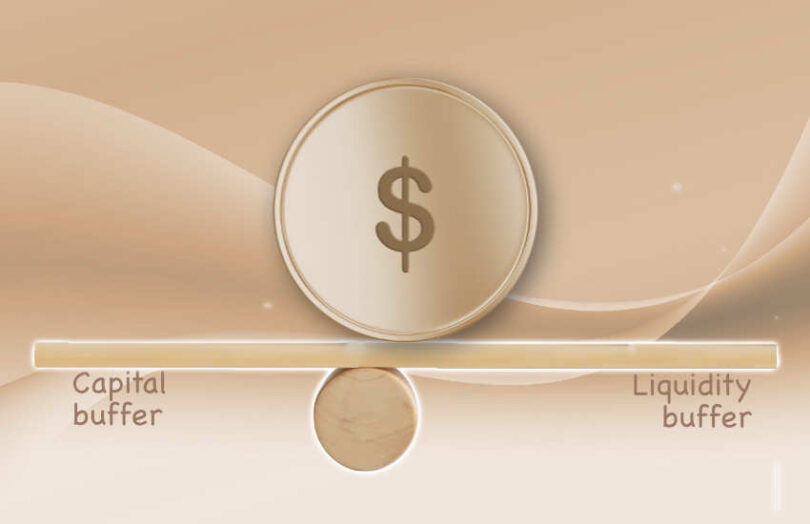
Stop trusting the peg like it’s magic
Stablecoins are supposed to be boring. That’s the whole point. But if you’re doing stablecoin reserve analysis, boring is exactly where the danger hides.
A token can sit at $1 all day and still be a mess underneath. The reserve might be shaky, illiquid, or stuffed with assets that look fine until everyone wants out at once.
What stablecoin reserves actually are
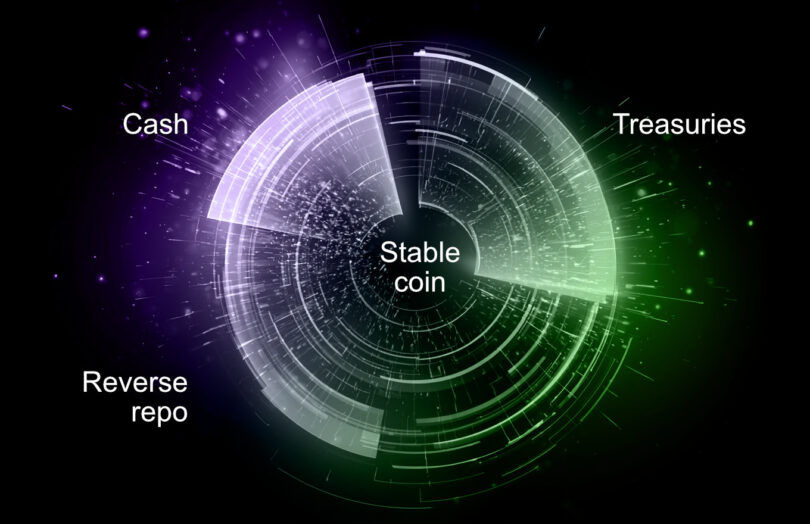
Here’s the thing: a stablecoin reserve is the pile of assets backing the tokens in circulation. For fiat-backed coins, that usually means cash, short-duration U.S. Treasuries, money market instruments, and sometimes other stuff you probably don’t want in the mix.
The big mistake is thinking “1:1” means safe. It doesn’t. Reserve coverage tells you whether the assets equal the liabilities, but it doesn’t tell you whether those assets can be sold fast enough or redeemed cleanly under stress.
The reserve ratio is only the starting line
Real talk: the reserve ratio matters, but it’s not the whole story. It’s basically total assets divided by total liabilities, and it tells you whether the issuer claims enough backing on paper.
But paper is cheap. If the reserve is packed with volatile or hard-to-sell assets, a small market move can wipe out the cushion fast. That’s why serious investors look past the headline and into the actual mix.
The five numbers that matter most
Honestly? Most people stop at market cap and call it diligence. That’s lazy. In stablecoin reserve analysis, you want five things: reserve ratio, equity buffer trend, sensitivity to shocks, volatile asset concentration, and on-chain flow behavior.
| Metric | What it tells you | Why you care |
|---|---|---|
| Reserve ratio | Whether assets cover liabilities | If this breaks, the peg is already under pressure |
| Equity buffer trend | Whether excess backing is shrinking | A falling buffer means less room for bad news |
| Sensitivity analysis | What happens in a price shock | This shows how fast the cushion disappears |
| Volatile asset concentration | How much of the reserve can swing in value | More volatility means more redemption risk |
| On-chain flows | Whether users are moving out | Outflows usually show stress before headlines do |
The catch is simple. A stablecoin can look fine until the flow data flips, and then the whole story changes in hours.
Liquidity is the real test
Look, reserves aren’t just about what they’re worth. They’re about how fast they can turn into cash when everybody suddenly gets nervous.
That’s why cash and short-term Treasuries are treated as stronger backing than gold, Bitcoin, secured loans, or random long-dated assets. Those things might add value in a calm market. They get ugly fast when redemption pressure hits.
Attestations are not audits
This is where people get sloppy. An attestation is a snapshot. It tells you the reserve matched the circulating supply on a specific date, not that the issuer is clean all the time.
An audit is stronger because it tests controls, processes, and the financial picture over time. If you’re an investor, you should care about both, but you shouldn’t confuse them. That mistake has burned people before, and it’ll burn them again.
What to check in the reserve report
Here’s what nobody talks about: the reserve report is basically the issuer’s personality test. If you know how to read it, you can spot weak framing fast.
Check these items first:
- Liabilities
- Asset mix
- Custody
- Maturity
- Redemption terms
- Verification frequency
- Who signed the report
If the issuer won’t clearly show what backs the token, how often it’s checked, and who actually controls the assets, that’s a red flag. Not a tiny one either.
Why custody matters more than people think
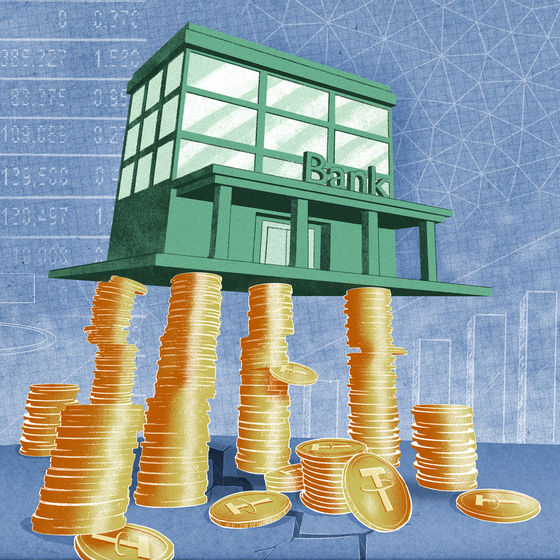
The annoying part is that reserves can be “real” and still be risky. If the assets sit with a weak custodian, or the legal structure is messy, you may not have the claim you think you have.
That’s why institutional due diligence focuses on custody structure, segregation, and independent oversight now, not just price stability. In plain English: who holds the money matters almost as much as what the money is.
How the major stablecoins actually differ
Look at the big names and the pattern gets obvious. Most major issuers lean hard into short-duration Treasuries, repo, and some cash, but the details still vary a lot.
| Stablecoin | Typical reserve style | Verification style | Investor take |
|---|---|---|---|
| USDT | Treasuries, some cash, and other assets like gold, Bitcoin, and secured loans | Quarterly attestation | Huge liquidity, but the reserve mix deserves extra scrutiny |
| USDC | Mostly Treasuries, repo, and bank deposits | Monthly attestation | Cleaner reserve story, stronger disclosure habits |
| PYUSD | Treasuries, cash, and repo | Monthly attestation | Conservative setup, but still young compared with the biggest players |
| DAI/USDS | On-chain collateral and USDC exposure | Real-time on-chain checks | More transparent in some ways, but structurally different from pure fiat-backed coins |
If you want the blunt version, USDC and similar setups usually look easier to underwrite because the reserve story is tighter. That doesn’t make them risk-free. It just makes the mess easier to see.
What regulators are pushing for
Yeah, regulation is finally catching up. U.S. and European frameworks are pushing issuers toward high-quality liquid assets, same-currency backing, and continuous redemption capacity.
The Federal Reserve has also pointed out that issuer reserve mixes vary a lot, especially around bank deposits, which matters for financial system exposure. Translation: the market is not one clean bucket. It’s a bunch of different risk profiles wearing the same “stable” label.
The run risk you can’t ignore
Stop pretending stablecoins can’t run. They can. Regulators and policy researchers have said it plainly: stablecoin issuers can face bank-like run dynamics when confidence breaks.
That means redemption pressure can expose weak reserves fast. If an issuer is holding too much in volatile or less liquid assets, the peg can come under stress before the market even understands what’s happening.
A simple way to judge reserve quality
Here’s the real-world filter I’d use. First, ask whether the reserve is mostly cash, short Treasuries, and other liquid instruments. Then ask whether the issuer gives you frequent, specific, verifiable reporting.
If the answer is “mostly yes,” the setup is easier to trust. If the answer is vague, slow, or buried in jargon, you’re probably looking at risk you haven’t priced yet.
What smart investors do differently
Real talk: smart investors don’t chase yield first. They start with reserve quality, redemption rights, and disclosure habits. Yield is nice right up until it becomes your problem.
They also watch on-chain behavior. Large outflows, shifting wallet patterns, and sudden reserve composition changes can tell you more than a polished monthly report. That’s not paranoia. That’s just not being the last person to notice the fire.
The trap most teams fall into
The trap is thinking all stablecoins are interchangeable. They’re not. One issuer can be mostly Treasuries and bank deposits, while another mixes in gold, Bitcoin, or secured loans.
That difference matters when markets get ugly. A stablecoin that looks fine in calm conditions can behave very differently when redemptions spike. If you’re holding size, that’s not trivia. That’s your risk model.
What I’d watch before buying or holding
Look, you don’t need a PhD to do this right. You need discipline. Before holding a stablecoin, check the reserve report date, the asset mix, the custody setup, and whether the redemption terms are actually clear.
Then look at how often the issuer updates disclosures and whether the numbers line up with on-chain supply data. If the story changes every time you look, that’s the story.
Final read on stablecoin reserve analysis
Stablecoin reserve analysis is basically a trust audit with better spreadsheet skills. You’re not just asking whether the peg holds today. You’re asking whether the issuer can survive pressure tomorrow.
That’s the part most retail holders skip. And that’s exactly why they get surprised when the market stops being calm.
Real talk: if the reserve mix, custody, and disclosure don’t make sense, walk away. What’s the one thing you actually check first before trusting a stablecoin?
You may also like
- How Machine Learning Is Being Used in Decentralized Finance
- AI Trading Risk Management: Strategies Every Trader Should Know
- How Machine Learning Is Transforming Cryptocurrency Investing in 2026
- How AI Can Analyze DeFi Liquidity Pools: A Practical Operator’s Guide
- Stablecoin Depeg Risk: How Predictive Models Can Help