

- Published on
The Future of AI-Powered Stablecoin Risk Management
Listen to the full article:
- Authors

- Name
- Jagadish V Gaikwad
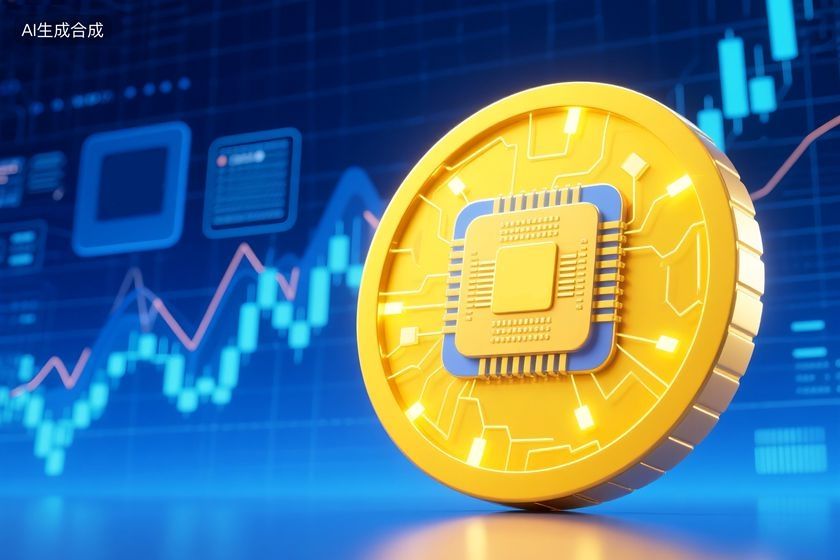
The stablecoin game is changing fast
Stop pretending stablecoin risk is a boring back-office problem. It’s the whole game, because if your peg breaks, your product breaks, your users panic, and your ops team gets dragged into a fire drill nobody wanted. AI-powered stablecoin risk management is showing up because static rules can’t keep up with always-on markets, cross-chain movement, and fraud that mutates every week.
Look, the direction is pretty clear. Recent industry writing points to hybrid governance, where AI handles real-time analysis and humans or DAOs keep final control over big parameter moves like liquidation thresholds and reserve policies. That’s not sci-fi. That’s the sane answer when money moves 24/7 and your spreadsheet refreshes like it’s still 2014.
Why old-school risk controls keep failing
Here’s the thing: most risk stacks were built for slower systems. They look fine on paper, then they choke when liquidity shifts, on-chain behavior changes, or a fraud ring starts testing your rails with tiny transactions before going big.
The annoying part is that teams still love manual review because it feels safe. It isn’t. Manual processes are slow, inconsistent, and way too easy to game when bad actors know your thresholds better than your own analysts do.
AI-powered stablecoin risk management changes the pace. Instead of waiting for a problem to become a headline, AI can spot abnormal reserve behavior, liquidity stress, suspicious flows, or oracle weirdness early enough to matter.

What AI is actually doing here
Real talk: AI isn’t magic dust you sprinkle on a treasury dashboard. It’s a stack of very practical jobs, and the good versions are boring in the best way.
According to recent sources, AI is being used for real-time data analysis, predictive modeling, fraud detection, compliance monitoring, and liquidity optimization. Some proposals go further, describing AI agents that triage investigations, map mule networks, and help teams develop new rules faster than humans alone can manage.
That matters because stablecoin risk is not one problem. It’s reserve risk, redemption risk, market risk, compliance risk, oracle risk, and operational risk all stacked together. If your system can only see one layer, you’re blind everywhere else.
The future is hybrid, not fully autonomous
Honestly? This is where people mess up. They hear “AI-powered” and assume the machine runs the whole thing. That’s how you end up with a fancy system making dumb moves while everyone pretends it’s “adaptive.”
The stronger model is hybrid governance. One source on DeFi risk parameters says AI should propose micro-level adjustments in real time, while a DAO or human governance layer keeps the guardrails and approves macro-policy changes. That’s the future most serious teams should want, because it gives you speed without handing the keys to an unpredictable model.
You should think about it like this:
| Approach | What it feels like in practice | Catch | Who should use it |
|---|---|---|---|
| Manual risk ops | Slow reviews, lots of people, lots of waiting | You miss fast-moving risk | Tiny teams with low volume |
| Rules-only automation | Faster than humans, but rigid and easy to game | Breaks when behavior changes | Teams with stable, simple flows |
| AI-assisted hybrid control | AI flags, predicts, and recommends; humans approve major moves | You need governance and good data | Serious issuers, payment platforms, and DeFi teams |
If I had to pick, I’d take the hybrid model every time. Pure autonomy sounds cool until the first edge case eats your treasury.
The big shift is from detection to prediction
Here’s the thing nobody wants to admit: catching risk after it happens is already too late. That’s why the future of AI-powered stablecoin risk management is moving toward prediction, not just alerting.
That means models that watch behavior over time. They don’t just ask, “Is this transaction weird?” They ask, “Is this reserve pattern drifting toward a problem?” or “Is this redemption cluster the start of a run?” or “Is this liquidity pool quietly getting brittle?”
That’s a very different job. And it’s the one that actually matters if you’re trying to keep a peg intact while the market is moving under your feet.
Stablecoin risk won’t stay niche for long
Yeah, I know, everyone loves to act like stablecoin risk is a crypto-only headache. It’s not. The moment stablecoins sit inside payments, treasury, remittance, or AI-agent settlement flows, the risk problem gets bigger and more mainstream fast.
One 2025 World Economic Forum piece argued that blockchain transparency plus AI tools could help spot systemic risk earlier and make fraud easier to monitor. Another 2026 technical brief described stablecoins as part of autonomous AI agent systems, with layered authorization, compliance scoring, and quantitative risk assessment baked in. That’s not a side note. That’s the future design brief.
If you’re building now, you’re not just managing a token. You’re managing an always-on financial control system.
What smart teams need to build next
Look, the winning stack isn’t just “more AI.” It’s better decision design.
You need a unified risk view across on-ramp, off-ramp, chain activity, reserves, fraud signals, and compliance data. If your data lives in five tools and your team is still reconciling it by hand, AI won’t save you. It’ll just automate confusion faster.
You also need adaptive logic around liquidity and collateral. Sources discussing AI-powered stablecoins repeatedly point to dynamic collateral management, real-time liquidity optimization, and automated compliance as core functions, not nice-to-haves. That’s where the real leverage is: not in replacing humans, but in giving them a system that sees changes before they hit the balance sheet.
The compliance part is getting sharper, not softer
The trap most teams fall into is thinking risk management ends at market stability. It doesn’t. For stablecoins, compliance is part of risk, and regulators are getting more serious about that every year.
Recent material points to AI-assisted KYC, sanctions screening, transaction monitoring, and chain-aware compliance scoring as the direction of travel. That makes sense. If a stablecoin is supposed to move value cleanly and predictably, your system needs to spot suspicious activity without drowning analysts in junk alerts.
And yes, false positives still matter. If your model cries wolf all day, your team stops listening. That’s how real risk slips through the cracks.
The real challenge is trust
Here’s where it breaks: AI can be great at pattern recognition and still be terrible at accountability. If nobody can explain why a reserve action fired or why a liquidity flag escalated, your ops team is going to hate the system and your auditors will hate it more.
That’s why the best AI-powered stablecoin risk management setups will keep deterministic controls for critical actions and use AI for analysis, prioritization, and recommendation. In plain English: let the model think fast, but don’t let it freestyle with the parts that can wreck trust.
This is also why governance matters so much. Whether it’s a DAO, a risk committee, or a regulated board process, someone has to own the final call. If nobody owns it, everybody’s responsible, which means nobody is.
What this means for issuers, fintechs, and DeFi teams
Real talk: the future isn’t one uniform model. A consumer payment issuer, a DeFi protocol, and a cross-border fintech are going to use AI differently.
A payments company will care a lot about fraud, sanctions, redemption certainty, and liquidity forecasting. A DeFi protocol will care more about oracle health, collateral ratios, liquidation settings, and governance timing. A fintech sitting between rails will care about all of it, because bad decisions at the edges tend to show up in the middle.
So the practical move is simple. Start with the highest-volume, highest-cost risk lane first. Don’t boil the ocean just because a vendor gave you a slick demo and a loud promise.

The teams that win will be boring on purpose
Honestly? That’s the twist. The winners in AI-powered stablecoin risk management won’t be the flashiest teams. They’ll be the ones with clean data, clear thresholds, human oversight, and models that get used instead of worshipped.
A lot of people think the future means fully autonomous financial systems. It doesn’t, at least not for critical risk controls. The better future is machine speed with human accountability, because that’s what survives contact with regulators, auditors, and actual market stress.
And yeah, that sounds less sexy than “self-regulating money.” It’s also a lot less likely to blow up your brand.
Real talk: this space is moving from theory to infrastructure fast. If you’re building a stablecoin product and you’re still treating risk like a monthly review meeting, you’re already behind.
What’s the hardest part for your team right now: getting clean data, setting the right controls, or convincing people that AI-powered stablecoin risk management is worth the hassle?
You may also like
- How Cloud GPUs Are Powering Next-Gen AI Applications in 2025
- Argentina Destroys Switzerland 3-1 in 2026 FIFA World Cup Quarterfinals
- How RAG Is Powering Modern AI Applications: The Engine Behind Smarter Systems
- How AI Helps Crypto Exchanges Monitor Regulatory Risk
- How AI Is Automating Cryptocurrency Tax Reporting in 2026