

- Published on
Why Portugal is Struggling to Qualify for the 2026 FIFA World Cup
Listen to the full article:
- Authors

- Name
- Jagadish V Gaikwad
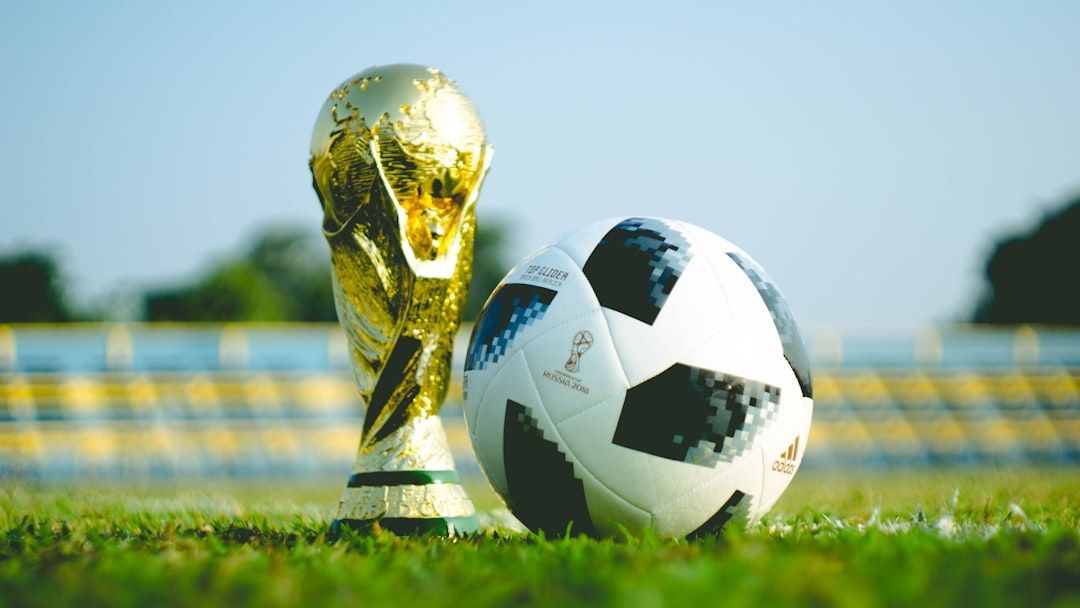
Let’s be real for a second. When you think about the heavyweights of European football, names like France, Germany, and Spain usually dominate the conversation. But then there’s Portugal.
For the last decade, Portugal hasn't just been "participating"—they’ve been a powerhouse. We’ve watched them evolve from a team of talented individuals into a tactical juggernaut that strikes fear into anyone facing them in a knockout stage. But lately? The vibe has shifted. There’s a palpable sense of anxiety among the Seleção faithful. As we look toward the 2026 FIFA World Cup, the narrative isn't just about "if" they win, but "if" they can navigate the chaotic landscape of modern qualifying and tournament formats.
If you’ve been following the tactical shifts in international football, you know that the margin for error has disappeared. It’s no longer enough to have a generational talent like Cristiano Ronaldo or a midfield maestro like Bruno Fernandes. You need a cohesive, high-performance system that can withstand the relentless pressure of modern tactical setups.
The "Post-Ronaldo" Paradox
It sounds sacrilegious to say, but we have to address the elephant in the room. We are living in the twilight of the Cristiano Ronaldo era. While he remains a physical marvel and a goal-scoring machine, the tactical burden placed on the team to revolve around a single focal point is creating a structural imbalance.
In previous iterations, Portugal relied on a certain level of individual brilliance to bail them out of tactical stalemates. Now, as the game moves toward high-press, high-intensity systems (think Pep Guardiola’s influence trickling down to the national level), Portugal is finding it harder to transition from defense to attack without leaving massive gaps in the middle third.
The struggle isn't that Ronaldo is failing; it's that the team is struggling to evolve around him. The squad is caught in a transitional phase where the legends of the 2016 Euro victory are making room for the "Golden Generation 2.0," but the handover isn't seamless.
Tactical Rigidity vs. Modern Fluidity
One of the primary reasons Portugal is facing headwinds in their journey toward the 2026 FIFA World Cup is a struggle with tactical identity.
For much of the last two years, we've seen a tug-of-war between two philosophies:
- The Traditional 4-3-3: Focused on wide play and overlapping fullbacks.
- The Modern 4-2-3-1/4-3-2-1: Focused on central congestion and quick verticality.
When the team plays with a heavy emphasis on possession, they often look toothless against low-block defenses. When they try to play direct, they lose the technical control that makes them special. This "identity crisis" leads to inconsistent results in qualifying matches—the kind of dropped points that can be fatal when the World Cup expansion changes the math.
The Midfield Congestion Problem
Portugal has an embarrassment of riches in midfield. We’re talking about players like Bernardo Silva, João Palhinha, Bruno Fernandes, and Vitinha. On paper, it’s a dream. In practice, it’s a logistical nightmare for the manager.
When you have four players who all want to occupy the same "half-spaces," you end up with a team that is physically capable but tactically cluttered. This lack of spatial awareness is exactly what elite teams like Spain or England exploit. They allow Portugal to have the ball, but they deny them the meaningful spaces to play it in.
The Impact of the Expanded World Cup Format
Let’s talk about the "why" behind the sudden pressure. The 2026 FIFA World Cup is going to be massive. With 48 teams instead of 32, the qualifying pathways have become a chaotic mess of scheduling, travel, and varied levels of competition.
For a team like Portugal, which plays in a highly competitive UEFA zone, the path is fraught with "trap games." In the past, a draw against a mid-tier European nation might have been acceptable. In the new era, a single slip-up in a grueling qualifying window can derail an entire four-year cycle.
| Factor | Previous Era (32 Teams) | 2026 Era (48 Teams) | Impact on Portugal |
|---|---|---|---|
| Match Intensity | High, but predictable | Extreme, high-variance | Higher risk of upsets |
| Squad Rotation | Less critical | Mandatory | Risk of losing tactical cohesion |
| Travel/Scheduling | Manageable | Brutal (club vs. country) | Increased injury risk for key stars |
| Margin for Error | Moderate | Razor thin | Psychological pressure increases |
The "Golden Generation" Transition Gap
Every great era in sports has a "gap"—that awkward period where the old guard is too old to maintain 90-minute intensity, and the new guard is too young to handle the psychological weight of a World Cup qualifying campaign.
Portugal is currently in the thick of this gap. We see players like Rafael Leão and Gonçalo Ramos showing flashes of brilliance, but they haven't yet mastered the "dark arts" of international football—the game management, the cynical fouls, the ability to kill a game when leading 1-0.
In a tournament setting, especially as we move toward 2026, games aren't won by the most talented players; they are won by the most disciplined ones. Portugal’s youngsters are currently playing "beautiful" football, but they aren't yet playing "winning" football. This distinction is the difference between a quarter-final exit and a trophy run.

The Coaching Dilemma: Stability vs. Evolution
The pressure on the manager is immense. In the modern era, the manager is no longer just a "boss"; they are a CEO of a high-performance unit. They have to manage egos, oversee complex tactical data, and navigate the politics of elite club players who are exhausted by the club calendar.
Portugal's coaching staff has faced criticism for being too reactive rather than proactive. Instead of dictating how the game should be played, they often seem to be reacting to what the opponent is doing. To succeed in the 2026 FIFA World Cup, Portugal needs a tactical blueprint that is proactive—a system that forces opponents to react to them.
How to Fix the Formula
If Portugal wants to avoid a disappointing 2026 campaign, there is a clear roadmap they need to follow. It’s not about finding more talent—they have plenty. It’s about optimizing what they already have.
- Define the Midfield Roles: The manager must decide: are we playing with a single pivot or a double pivot? There is no room for "everyone plays" football. Roles must be specialized.
- Prioritize Defensive Solidity: You cannot win a World Cup with a "leaky" defense, no matter how many goals your forwards score. The transition from attack to defense must be automated through training.
- Psychological Resilience Training: The "fear of failure" is visible in some of Portugal's recent performances. Bringing in specialized sports psychologists to help players handle the pressure of the expanded World Cup format is non-negotiable.
The Verdict
Is Portugal's struggle a sign of a permanent decline? Absolutely not. They have some of the most exciting talent on the planet. But is the path to the 2026 FIFA World Cup going to be harder than ever? Without a doubt.
The "struggle" we are seeing is actually the growing pains of a nation trying to transition from being a "talented underdog" to a "global superpower." It is a messy, unglamorous, and frustrating process. But if they can navigate this identity crisis and find a way to blend their individual brilliance with tactical discipline, they won't just be participating in 2026—they'll be the team everyone is afraid to play.
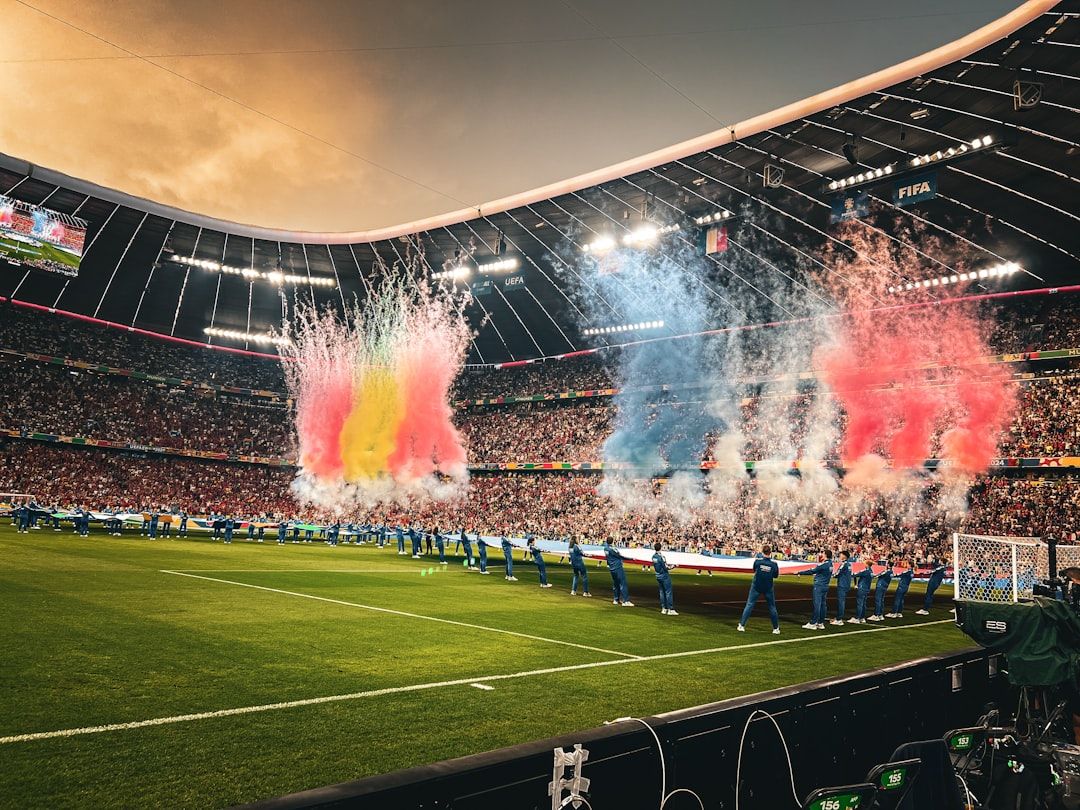
The evolution of football is moving faster than ever. For Portugal, the clock is ticking. The lessons learned in the next 18 months will determine whether they walk into the 2026 tournament as favorites or as a team struggling to keep up with the new reality of the game.
The beautiful game is never simple, and for Portugal, the road to 2026 is looking more like a mountain climb than a stroll through the park. But that's what makes it worth watching.
What do you think? Is Portugal's current form just a temporary slump, or are they fundamentally failing to adapt to the modern game? Let me know in the comments!
You may also like
- Apple Watch Ultra 3 Satellite Connectivity: The Future of Off-Grid Communication
- Galaxy S24 FE Under 30K on Flipkart in 2025: Is It Worth Buying?
- Google Ordered to Pay $425 Million in Damages for Privacy Violations: What You Need to Know
- Which iPhone Is Best for Indian Buyers in 2025? Full Comparison and Buyer’s FAQ
- OnePlus Pad 3 vs iPad Air M3: The Ultimate 2025 Tablet Showdown